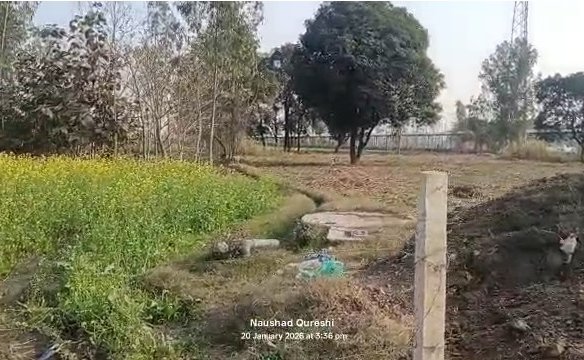
A plotting project involves a developer purchasing large land parcels and dividing them into smaller, legally approved, and serviced residential plots. These projects provide essential infrastructure like roads, electricity, and water, offering buyers a lower-risk investment with high appreciation potential and the flexibility to build homes on their own schedule.
Key Aspects of Plotting Projects
- Infrastructure & Amenities: Developers are responsible for providing basic amenities such as roads, street lights, drainage systems, water supply, and often parks or security.
- Benefits: These projects offer faster delivery times, lower entry-level investment compared to luxury apartments, and the ability to customize home designs.
- Investment Types: Plots can be classified into residential, commercial, or industrial, often located in growing suburban or urban areas.
- Legal & Approval: Proper due diligence is essential, including verifying clear titles, land conversion approvals, and environmental clearances.
Types of Plots
- Residential: Meant for building villas or houses.
- Commercial: Targeted for shops, offices, or commercial complexes.
- Industrial: Used for setting up factories.
Common Pitfalls to Avoid
- Unverified Developers: Ensure the developer has a track record of legal compliance.
- Infrastructure Gaps: Confirm that promised amenities are clearly defined in the agreement.
- Location Risk: Invest in areas with good future connectivity and infrastructure growth.